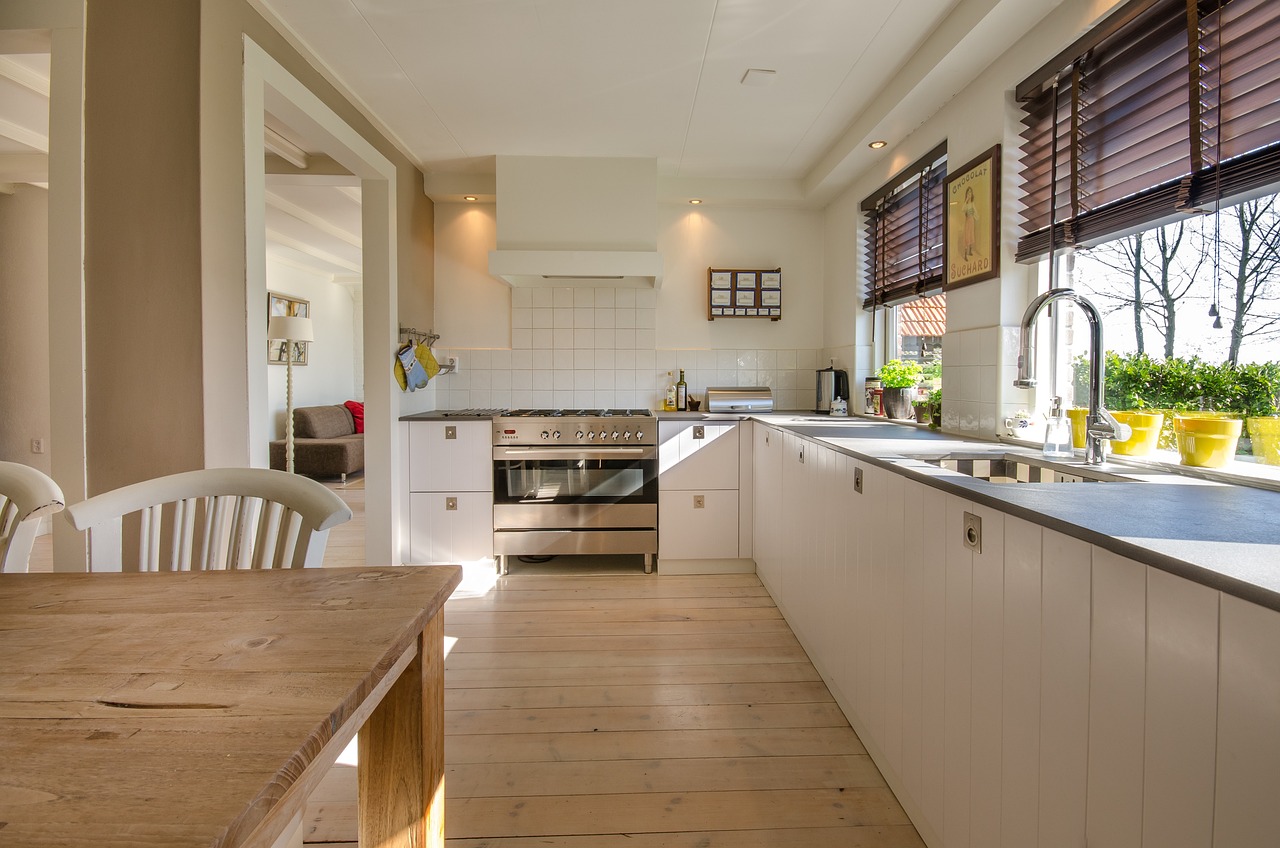
Black granite countertop gives your kitchen or bathroom an immediate sense of polish and durability. If you want a surface that combines striking, versatile aesthetics with long-lasting performance, black granite delivers both—offering deep color options, subtle veining, and excellent resistance to heat and wear.
You’ll learn how different black granite varieties affect color, pattern, and maintenance so you can pick the right slab for your style and lifestyle. The article also walks through practical choices for matching cabinets and backsplashes, plus what to expect during selection and installation so your project runs smoothly.
Black Granite Countertop Features
Black granite offers a range of appearances, durability levels, and surface options that affect cost, maintenance, and the final look in your kitchen.
Varieties of Black Granite
Black granites vary by origin and mineral composition, which changes color depth and pattern. Examples you’ll commonly encounter include:
- Absolute Black: Very dark, near-solid black with minimal veining; shows dust and fingerprints more easily.
- Black Galaxy: Black background with small gold or copper flecks; hides crumbs and soft scratches.
- Steel Black / Jet Black: Subtle veins or salt-and-pepper textures that add movement without high contrast.
You should check a slab in person; two samples from the same quarry can differ in flake size, color undertone (cool vs. warm), and pattern density. Ask your fabricator for full-slab photos and the stone’s origin to predict consistency for large runs or matching islands.
Benefits of Black Granite Countertops
Black granite combines strength with visual impact that works in modern, classic, or transitional kitchens. It rates high on hardness and heat resistance, so you can place hot pots down for short periods without immediate damage.
You’ll get good scratch and chip resistance compared with softer stones, though edges remain vulnerable to heavy impact. Sealing keeps stains at bay; most installations require resealing every 1–3 years depending on use. Black tones also conceal certain stains and small imperfections better than lighter stones, which reduces visible wear over time.
Popular Finishes and Textures
Finish choice changes both appearance and maintenance requirements. Common finishes include:
- Polished: High gloss, deep color saturation, reflects light; shows water spots and fingerprints.
- Honed: Matte, softer look that hides wear and smudges; slightly more prone to staining than polished.
- Leathered / Antiqued: Textured, low-sheen surface that masks scratches and adds tactile interest.
Texture affects cleaning: polished surfaces wipe clean with mild soap and microfiber, while honed or leathered surfaces may need a soft brush and occasional stone cleaner. Specify finish when ordering edge profiles, because some edges look slimmer in polished stone but more substantial with textured finishes.
Choosing and Installing Black Granite Countertops
Black granite offers bold visual contrast, high heat and scratch resistance, and low porosity when properly sealed. You’ll weigh color and finish, coordinate with cabinetry and lighting, pick a reliable installer, and plan for regular sealing and gentle cleaning.
Design Considerations
Decide whether you want a uniform solid black or a patterned slab with veins and mineral flecks; each affects perceived size and light reflection. Pair solid black with light-colored cabinets (white, pale gray) for high contrast, or use darker cabinetry and metallic hardware for a dramatic, cohesive look.
Choose a finish to match function and style: polished maximizes shine and depth, honed reduces glare and hides fingerprints, and leathered adds texture and slip resistance. Consider edge profiles—simple eased or eased with a bevel for durability, or bullnose/ogee for traditional homes.
Account for lighting and appliance finishes. Under-cabinet LED strips prevent a heavy, dark island from reading flat. Stainless steel and brushed nickel complement black granite; brass or copper warm the palette. Measure for overhangs, cooktop cutouts, sink types, and faucet clearances before ordering slabs.
Installation Process
Start by selecting full slabs in person to match color and vein continuity across seams. Order with a template appointment scheduled after all base cabinets are fully installed and shimmed; templates use the final cabinet heights and appliance positions.
The fabricator cuts, polishes edges, and preps cutouts (sinks, cooktops) in-shop. On installation day, installers dry-fit sections, adjust seams with shim plates, and apply adhesive and epoxy for seam joins. Expect 2–4 installers to set and grout seams, then level and secure the slabs to cabinets with silicone caulk and mechanical fasteners where required.
Allow 24–48 hours after installation before heavy use to let sealants cure. Keep water and heat off new seams for the first day. If seams are highly visible, ask about color-matched epoxy and seam filler samples before finalizing.
Maintenance and Care
Seal black granite annually or when water no longer beads on the surface; many surfaces accept topical sealers that you apply yourself in 15–30 minutes. Test porosity with a 10–15 ml water drop: if it absorbs within a minute, reseal.
Clean daily with a pH-neutral stone cleaner or mild dish soap and warm water; avoid acidic cleaners (vinegar, lemon) and abrasive pads that dull the finish. Wipe spills—especially oil, wine, and tomato-based sauces—promptly to reduce staining risk.
Use cutting boards and trivets to protect the stone and your knives. For small stains, apply a poultice of baking soda and water (for oil) or hydrogen peroxide (for organic stains), covered and left for 24–48 hours. Keep copies of your slab identification and sealer type for future maintenance and repairs.





Leave a Reply