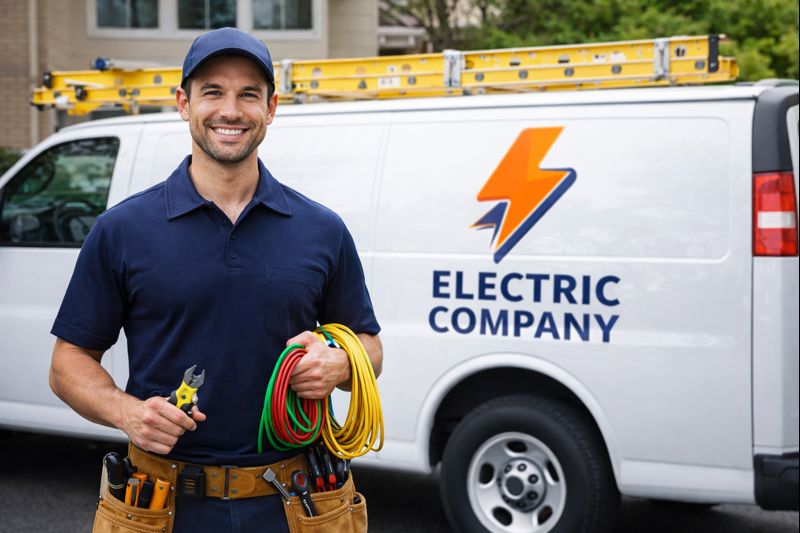
You need a commercial electrician near me who understands business demands, works to code, and minimizes downtime. A qualified local commercial electrician can handle everything from emergency repairs and rewiring to energy-efficient upgrades and compliance inspections, so you get safe, fast, and cost-effective service when your business needs it most.
This post shows how to find those services, what to expect from a commercial electrician near you, and practical criteria to use when choosing one. Use the guidance here to compare credentials, response times, and project experience so you hire a reliable pro who protects your facility and budget.
Commercial Electrician Services Near Me
Expect services that keep your business safe, code-compliant, and operating with minimal downtime. Technicians handle installations, urgent repairs, scheduled maintenance, and efficiency upgrades tailored to commercial systems.
Electrical Installations for Businesses
You receive full-service installations for tenant fit-outs, new constructions, and equipment hookups. That includes three-phase panel installs, dedicated circuits for HVAC and kitchen equipment, emergency lighting, and data/communication pathway terminations.
Electricians size and install switchgear, breakers, and conduit to meet local code and your equipment’s electrical load. They coordinate with general contractors and building inspectors to streamline inspections and final approvals.
Request load calculations, single-line drawings, and a written punch list before work begins. This prevents surprises and ensures the installed system matches your floor plan and operational needs.
Emergency Repairs and Troubleshooting
You get 24/7 response options for power outages, breaker trips, exposed conductors, and life-safety failures like fire alarm or emergency lighting faults. Technicians diagnose using thermal imaging, clamp meters, and continuity testing to isolate faults quickly.
Expect temporary measures—such as isolation of a branch circuit or installation of a transfer switch—so operations can continue while permanent repairs proceed. Technicians also document the fault, recommend corrective actions, and provide an itemized repair estimate.
Ask about guaranteed response windows and priority dispatch for critical facilities to reduce lost revenue from downtime.
Ongoing Maintenance Plans
A maintenance plan gives you scheduled inspections, thermal scans, and load-balancing checks to prevent failures. Typical plans include quarterly or annual tasks: breaker exercise, grounding verification, and UPS/battery testing.
You’ll receive a maintenance log, prioritized repair list, and lifecycle estimates for panels, transformers, and meters. This helps budget replacements and avoid emergency replacements.
Choose plans that offer discounted labor rates, priority service, and digital reporting so you can track trends and plan capital expenditures.
Energy Efficiency Upgrades
You can reduce operating costs by upgrading lighting, controls, and power factor correction. Options include LED retrofit kits for troffers and parking lot fixtures, occupancy and daylight sensors, and programmable lighting controls.
Electricians also install variable frequency drives (VFDs) on motors, automatic transfer switches for generators, and capacitor banks to improve power factor. They perform ROI calculations based on your utility rates and expected savings.
Request a baseline energy audit with measured usage data, an upgrade roadmap, and incentives or rebate assistance for local utility programs.
How to Choose a Reliable Local Commercial Electrician
Look for verified qualifications, documented project experience, and recent client feedback before you commit. Prioritize electricians who communicate clear pricing, safety procedures, and timelines.
Credentials and Licensing
Confirm the electrician holds a valid state or local electrical license for commercial work. Ask for the license number and verify it on your state’s licensing board website to ensure it’s active and appropriate for the scope of your project.
Require proof of insurance: general liability and workers’ compensation. Get certificates of insurance and verify coverage limits so your property and employees stay protected in case of accidents or damage.
Check for trade certifications and continuing education. Certifications from organizations like NFPA/NEC training, OSHA, or manufacturer-specific credentials indicate current knowledge of code changes, safety protocols, and new commercial equipment.
Request copies of written estimates and contracts. Ensure the contract lists permits, inspection responsibilities, materials, and warranty terms so you can confirm the electrician will meet regulatory and contractual obligations.
Experience with Commercial Projects
Ask how many commercial projects the electrician has completed in the past three years and request project types. You want someone experienced with your facility type—retail, office, industrial, or hospitality—because loads and system designs differ.
Request examples of work that match your needs: main service upgrades, code-compliance rewiring, emergency backup systems, lighting retrofits, or energy-efficiency controls. Photos, scope descriptions, and before/after metrics help you judge competency.
Confirm familiarity with local code enforcement and permitting processes. Commercial projects often require multiple inspections; electricians who routinely handle permitting reduce delays and rework.
Discuss project management practices: timelines, subcontractor use, site safety plans, and communication protocols. Clear plans for minimizing business disruption show they understand commercial constraints and your operational needs.
Client Reviews and References
Read recent online reviews on multiple platforms—Google, Yelp, industry forums—and look for consistent themes. Pay attention to comments about punctuality, adherence to budget, and cleanup after work.
Ask for three relevant references from projects completed in the last 12–24 months. Call at least two and ask specific questions: Did the electrician meet agreed timelines? Were there unexpected change orders? How was follow-up service?
Verify performance on warranties and punch-list items. A reliable electrician responds quickly to warranty calls and completes remaining tasks without charge. Document their response times and resolution quality.
Watch for red flags: many unresolved negative reviews, refusal to provide references, or vague answers about past projects. Those indicate you should continue your search.




Leave a Reply