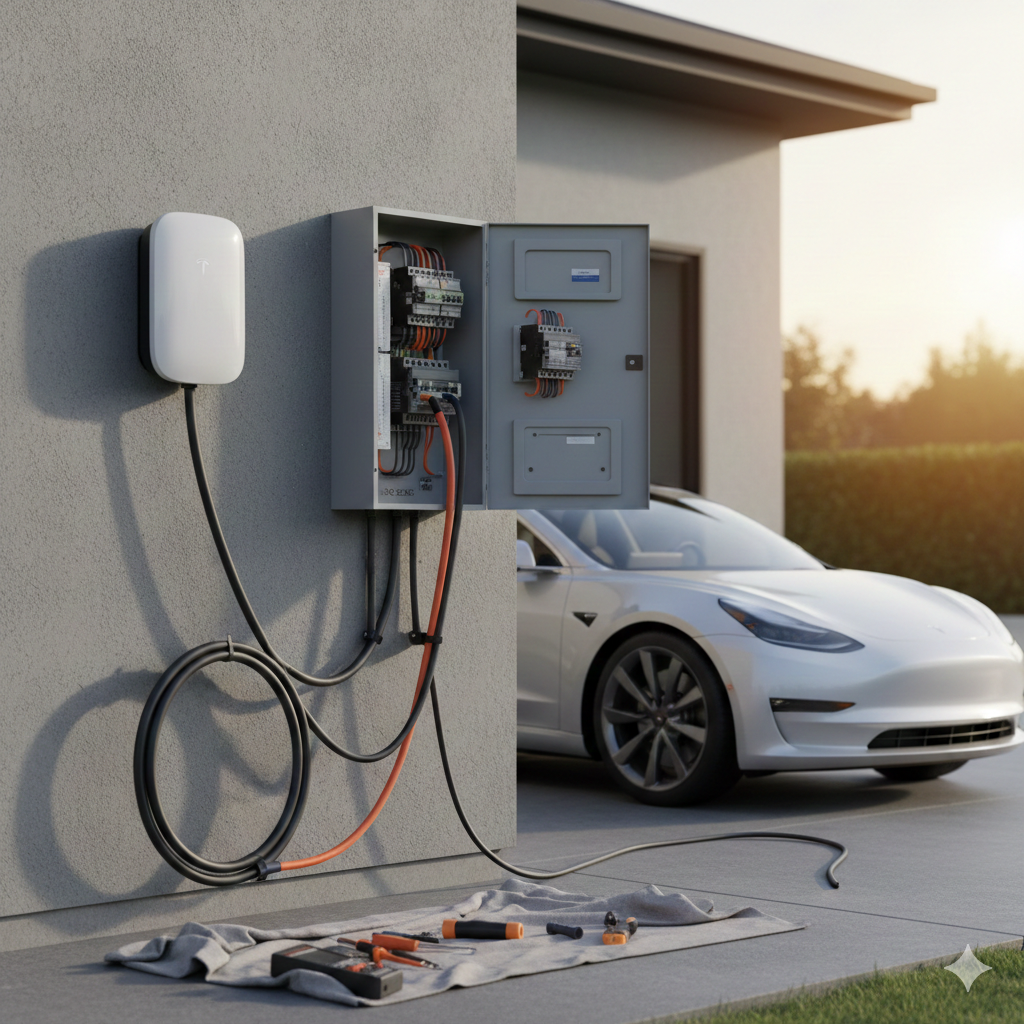
Finding reliable electrical panel repair near me matters for safety and uninterrupted power. You can protect your home and avoid costly failures by hiring a licensed local electrician who inspects the panel, diagnoses breakers, and performs repairs or upgrades to modern standards. Quick action pays off when you notice flickering lights, tripped breakers, or an older panel that’s past its 25–40 year lifespan.
This article shows how to spot signs of panel trouble, what a professional repair or upgrade includes, and how to choose a qualified nearby pro with proper licensing and good reviews. You’ll learn practical steps to get fast, safe service and what questions to ask before someone starts work.
Understanding Electrical Panel Repair Near Me
You’ll learn what an electrical panel does, how to spot repair needs, and which panel types are common in homes and businesses. This helps you decide when to call a qualified technician and what to expect during diagnosis or upgrade.
What Is an Electrical Panel?
An electrical panel, often called a breaker box or service panel, distributes power from the utility meter to branch circuits that feed lights, outlets, and appliances. It contains the main breaker, individual circuit breakers, bus bars, and neutral/grounding connections.
Your panel limits current to each circuit and protects wiring from overloads by tripping breakers. Panels also provide a centralized place to shut power off during repairs or emergencies. If your panel is older than 20–30 years, lacks a main disconnect, or shows rust/damage, plan an inspection by a licensed electrician.
Common Signs Your Electrical Panel Needs Repair
Frequent breaker trips or breakers that won’t reset indicate overloads, loose connections, or failing breakers and require immediate attention. Burning smells, scorch marks, or a warm panel door are signs of overheating and potential fire hazard—stop using affected circuits and call an electrician.
Flickering lights, buzzing from the panel, or visible rust/corrosion point to loose terminals, arcing, or moisture intrusion. If you have outdated fuse boxes, aluminum branch wiring, or your panel can’t handle new appliances — such as EV chargers, air conditioners, or high-load kitchen equipment — consider repair or upgrade for safety and capacity.
Types of Electrical Panels in Homes and Businesses
Standard main-breaker panels are most common in residences; they combine a main disconnect plus branch breakers in one enclosure. Split-bus panels lack a single main breaker and are now rare; you may find them in older homes and they’re often unsafe by modern codes.
Subpanels extend capacity and are used for detached buildings, garages, or large additions. Industrial and commercial systems may use fused switchboards, load centers with higher amperage ratings (200A+), or three-phase panels for heavy equipment. Knowing whether your service is single-phase or three-phase helps you pick the right technician and replacement parts.
Choosing the Right Local Electrical Panel Repair Service
Focus on verifiable credentials, clear written estimates, and strict adherence to the Ontario Electrical Safety Code (or your local code). Prioritize electricians who document scope, parts, timelines, and warranty terms before work begins.
Evaluating Licensed and Insured Electricians
Check that the electrician holds a valid provincial or state license and a Master/Red Seal credential if applicable. Ask for the license number and verify it on your jurisdiction’s regulator website to confirm standing and any disciplinary history.
Confirm general liability and workers’ compensation coverage. Request certificates of insurance and note policy effective dates and coverage limits. This protects you if a worker is injured or property is damaged during the job.
Look for trade-specific certifications such as ESA (Ontario) approvals or manufacturer training for panels and breakers. Read short customer references or reviews that mention similar panel work to verify relevant experience.
Comparing Repair Costs and Estimates
Get at least three written estimates that include itemized parts, labor hours, disposal fees, permit costs, and taxes. Compare line-by-line rather than only comparing final totals to spot differences in materials or scope.
Beware of unusually low bids that omit permits or use refurbished parts without disclosure. Ask each contractor to identify expected additional charges (hidden fees, unforeseen repairs) and how change orders are handled.
Evaluate warranty terms: length, what’s covered (parts vs. labor), and whether the electrician backs work with a written guarantee. Prefer fixed-price bids for defined scope; use hourly bids only when the problem is genuinely unknown.
Safety Standards and Code Compliance
Require the electrician to pull required permits and schedule inspections with the local authority having jurisdiction. Permits ensure the work is inspected for compliance with the Ontario Electrical Safety Code or your applicable code.
Ask the electrician to document compliance: inspection certificates, test results, and photos of panel wiring before and after repair. Verify that breakers, grounding, bonding, and labeling meet current code requirements.
Confirm use of listed and labeled components from recognized manufacturers. Question any proposal that suggests bypassing tamper-proof covers, using substandard breakers, or leaving loose neutrals — all common safety red flags.


Leave a Reply