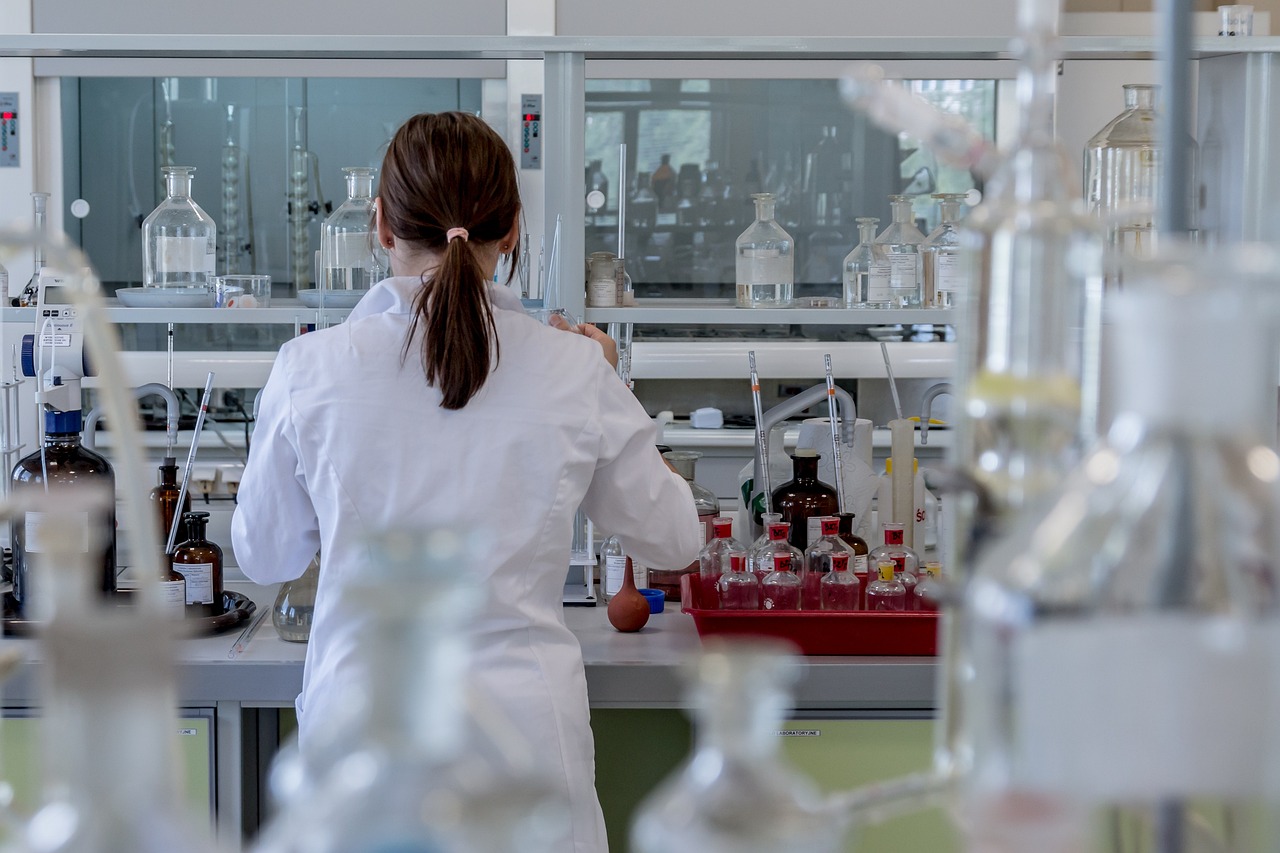
You rely on the right lab equipment and supplies to get consistent, accurate results and to keep your workspace safe and efficient. Choose instruments and consumables that match your precision needs, budget, and maintenance capacity, and you will cut errors, save time, and extend equipment life.
This article walks through the common types of lab gear you’ll encounter, how to match those tools to specific tasks, and practical maintenance tips that keep instruments performing. Expect clear guidance on procurement priorities, everyday care, and when to replace or upgrade so your work stays reliable and cost-effective.
Types of Lab Equipment and Supplies
You will find instruments for measurement and manipulation, containers for reactions and storage, personal and facility safety gear, and specialized consumables or devices for particular techniques. Each group lists items you’ll commonly buy, how you use them, and what matters when selecting quality tools.
Essential Laboratory Instruments
These are the core tools for measurement, heating, mixing, and observation that you will rely on daily. Include balances (analytical and precision) for mass, pH meters for acidity, and centrifuges for phase separation. Choose balances with appropriate readability and calibration options; for centrifuges, match rotor type and maximum g-force to your sample tubes.
Pipettes and micropipettes control liquid volumes; maintain calibration and use proper tips to avoid contamination. Hot plates, incubators, and ovens provide controlled heating — monitor temperature uniformity and safety interlocks. Microscopes (stereo and compound) vary by magnification and illumination; select optics and camera options based on image documentation needs.
Glassware and Plasticware
You will use glass and plastic containers for reactions, storage, and measurement. Common glassware includes beakers, Erlenmeyer flasks, volumetric flasks, graduated cylinders, and burettes. Choose borosilicate glass for thermal and chemical resistance; calibrate volumetric glassware for accurate dilutions and standards.
Plasticware covers disposable and reusable items: polypropylene tubes, microcentrifuge tubes, cell culture flasks, and petri dishes. Use sterile, certified RNase/DNase-free plastics for molecular work. For filtration or solvent exposure, select chemically compatible polymers (e.g., PTFE or HDPE). Keep a supply chain plan for disposables to avoid workflow interruptions.
Safety Equipment
You must prioritize PPE, engineering controls, and emergency gear to protect people and samples. Personal protective equipment includes lab coats (antistatic or flame-resistant when needed), chemical-resistant gloves, face shields, and safety goggles. Match glove material (nitrile, neoprene, butyl) to the chemicals handled.
Engineering controls: biosafety cabinets, fume hoods, and chemical splash hoods reduce exposure — verify airflow certification and sash operation. Stock spill kits, eyewash stations, and emergency showers in accessible locations; check weekly or per institutional policy. Maintain up-to-date signage, chemical inventory labels, and appropriate waste containers (sharps, biohazard, chemical) to comply with regulations.
Specialized Lab Supplies
Specialized supplies address particular methods, high-throughput needs, or advanced analyses. Examples: chromatography columns and HPLC consumables; sequencing kits and library-prep reagents; ELISA plates and antibody reagents; mass spectrometry sample vials and calibration standards. For cell culture work, include sterile media, reagents, cryovials, and certified incubator-grade plastics.
Quality and lot-tracking matter: document reagent lot numbers, expiration dates, and storage temperatures. Validate consumables (filters, columns, kits) with small-scale runs before critical experiments. Keep vendor technical sheets and compatibility charts for complex systems like GC, LC-MS, or automated liquid handlers.
Selecting and Maintaining Laboratory Equipment
You will prioritize safety, accuracy, and total cost when selecting items, then follow a practical maintenance routine to keep instruments reliable and compliant.
Criteria for Choosing Laboratory Supplies
Evaluate supplies by performance specs and regulatory compliance. Check limits of detection, accuracy, and precision for analytical instruments; confirm calibration requirements and traceability to standards such as NIST where applicable. Match material compatibility: choose glass, PTFE, or stainless steel based on solvent, pH, and temperature exposure to avoid corrosion or contamination.
Consider throughput and workflow integration. Pick models sized for daily sample volumes and that integrate with your LIMS or data export needs (USB, Ethernet, API). Factor in consumables cost, warranty length, and availability of service contracts to estimate total cost of ownership.
Assess supplier reliability and documentation. Require certificates of conformity, user manuals, and validation documents. Prefer vendors that offer on-site installation, training, and scheduled preventive maintenance.
Proper Usage and Handling
Train each user on instrument-specific SOPs before operation. Include startup/shutdown sequences, allowed operating ranges, and emergency stop actions. Post short, visible operating checklists near equipment for quick reference.
Use correct personal protective equipment and implement sample handling controls to prevent cross-contamination. Label reagents and disposables with dates and lot numbers. For precision instruments, use only recommended consumables (tips, cuvettes, seals) and avoid homemade substitutes that change measurement integrity.
Log every use in an equipment logbook or electronic record noting operator, start/stop times, and any deviations. Record routine performance checks—such as blank, standard, and control measurements—to detect drift early and trigger recalibration or service.
Cleaning and Maintenance
Create a written cleaning schedule tied to usage frequency and contamination risk. For bench instruments, daily wipe-downs with appropriate disinfectants remove residues; for high-precision optics or sensors, follow manufacturer-solvent lists to avoid damage. Isolate electronics before cleaning to prevent short circuits.
Implement preventive maintenance tasks weekly, monthly, and annually. Weekly: inspect seals, tubing, and filters; clean accessible sample paths. Monthly: run calibration standards, replace wear parts, and verify software firmware. Annually: full service by qualified technician, performance qualification, and recalibration against reference standards.
Keep a maintenance log with dates, performed tasks, replacement parts, and technician names. Use spare-parts kits for critical instruments to minimize downtime. If you detect unexplained variance after maintenance, quarantine the instrument and document findings before returning it to service.




Leave a Reply